Drone Roof Inspections in Geelong
Inspect your roof from above — without putting people unnecessarily at height
Aerial drone inspections provide a practical way to capture detailed imagery of roofs and other hard-to-access areas.
Wild Hive Drones uses high-resolution aerial imagery and, where appropriate, thermal imaging to help identify areas that may require closer investigation.
Serving Geelong, the Bellarine Peninsula, Surf Coast and surrounding areas.
Roof Inspections
-
A Clearer View of Your Roof
Roofs can be difficult, expensive or hazardous to inspect from the ground.
A drone can provide detailed aerial imagery of areas that may otherwise be difficult to access, allowing you to see the condition and layout of the roof without immediately requiring physical access.
Drone roof inspections can be useful for:
Residential properties
Commercial buildings
Industrial buildings
Large roof areas
Difficult-to-access roofs
Roof condition assessments
Maintenance planning
Pre-purchase investigations
Post-weather inspections
Areas requiring further investigation
-
High-Resolution Aerial Inspection
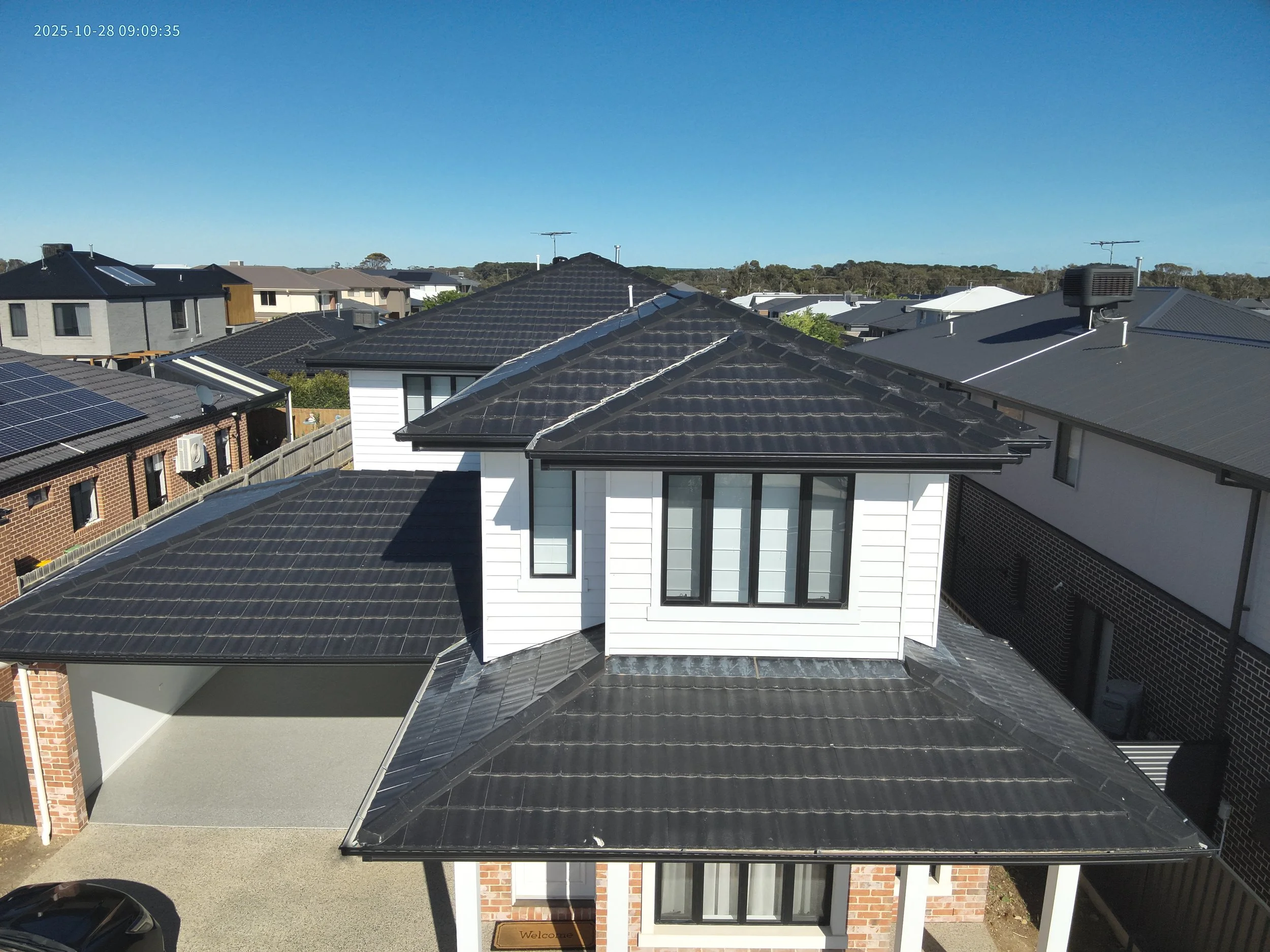
Standard aerial imagery provides a detailed visual view of the roof and surrounding structures.
Depending on the project, we can capture:
Roof surfaces
Flashings and visible roof components
Gutters
Roof penetrations
Plant and equipment
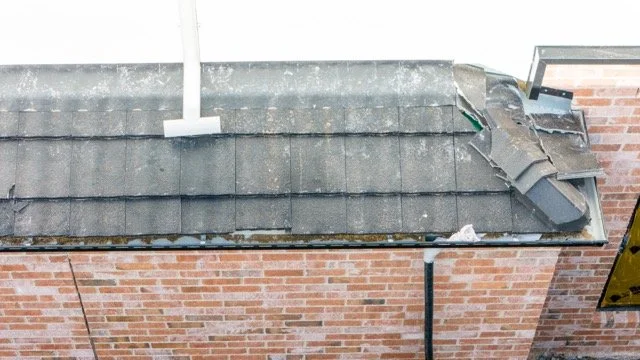
Visible damage
Debris
Hard-to-access areas
Surrounding structures
The imagery can help identify areas that warrant further physical inspection by an appropriately qualified building or roofing professional.
-
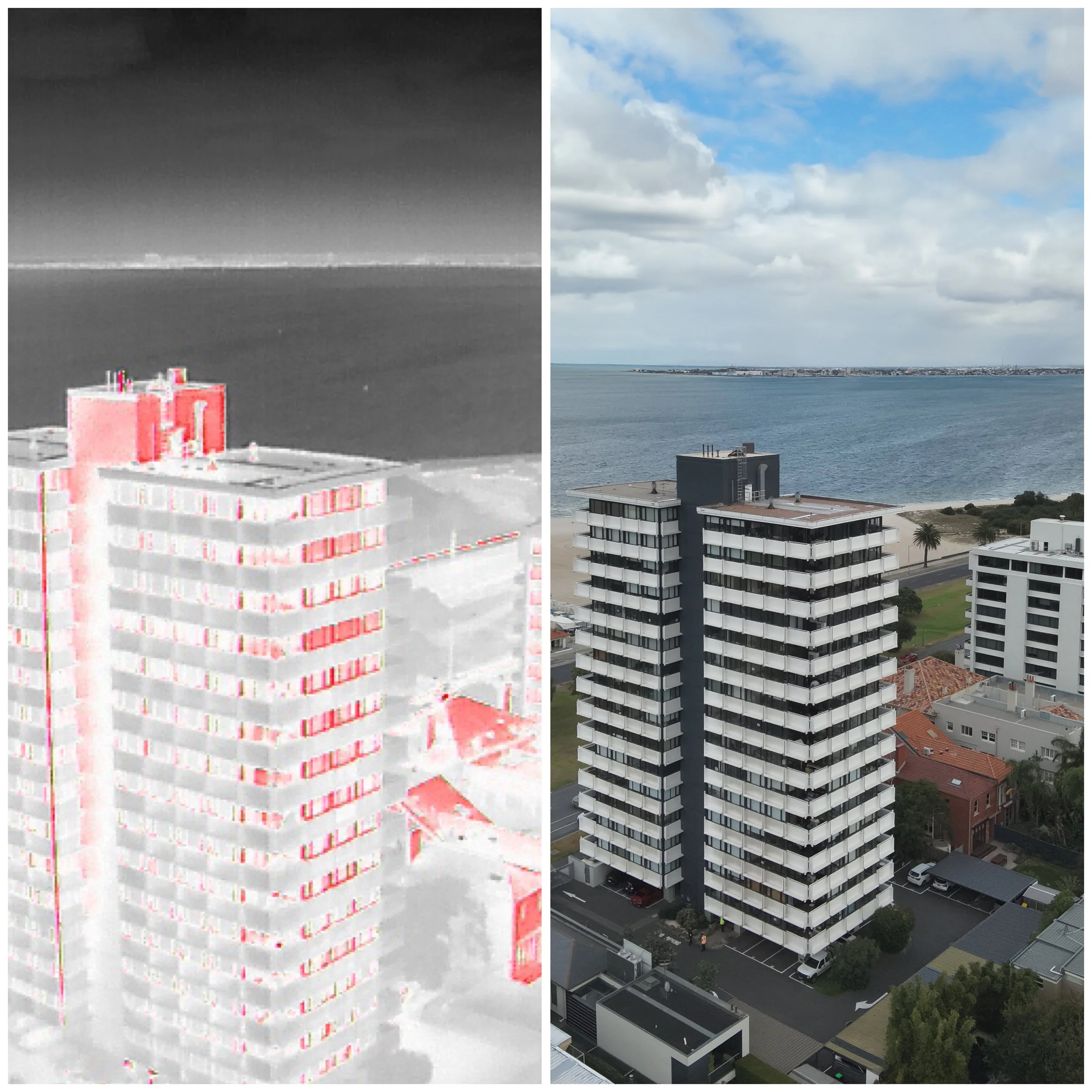
Thermal Roof Inspections
Some issues aren't obvious in standard photographs.
Thermal imaging can reveal temperature differences across a surface. Under suitable conditions, these temperature patterns may help identify areas requiring further investigation.
Thermal imaging can be useful when investigating potential:
Moisture-related anomalies
Insulation issues
Heat loss
Electrical or equipment heat anomalies
Areas of unusual temperature variation
Important: thermal imagery is an investigative tool, not a guarantee that a defect or leak will be identified. Results depend on weather, building materials, surface conditions, time of day and other factors.
Why Use A Drone?
Get an aerial view of roof areas that are difficult to see from ground level.
Access Difficult Areas
1
A drone can provide an initial visual assessment without immediately putting a person onto the roof.
Reduce Unnecessary Work at Height
2
Create high-resolution imagery that can be reviewed and shared with relevant contractors or professionals.
Capture Evidence
3
Identify Areas for Further Investigation
4
Use aerial and thermal imagery to help determine where closer inspection may be warranted.
Visual Inspection or Thermal Inspection?
Aerial Visual Inspection
High-resolution photographs show what can be seen from above.
Best suited to identifying visible conditions and documenting the physical appearance of the roof.
Thermal Inspection
Thermal imagery shows temperature differences that aren't visible in standard photographs.
Best suited to investigations where temperature variation may provide additional information.
Both
For some projects, combining standard aerial imagery with thermal imagery provides a more complete picture.
We'll discuss the appropriate approach before the inspection.
What Happens During an Inspection?
-
Provide the property location and explain what you're concerned about.
-
We'll consider airspace, access, weather, surroundings and the requirements of the flight.
-
We conduct the flight and capture the agreed aerial and/or thermal imagery.
-
We'll provide the agreed imagery and identify areas that may warrant further investigation.
-
A drone inspection provides imagery and observations from the air. It is not a substitute for a building inspection, structural assessment, roofing assessment or other specialist professional advice where that is required.
Thermal imaging can identify temperature differences, but temperature differences do not automatically indicate a specific defect.
If we identify an area that appears unusual, we can help you understand what the imagery shows and whether further investigation by an appropriately qualified professional may be appropriate.
Frequently Asked Questions
A drone may identify visible damage or, under suitable conditions, thermal patterns that could indicate an area requiring further investigation. A thermal anomaly does not by itself confirm a leak.
Can a drone identify a roof leak?
1
Not necessarily. Flight operations depend on airspace, weather, site conditions and other safety considerations. We'll assess the location before confirming the inspection.
Can you inspect any roof?
2
Can you inspect a roof after a storm?
5
6
Yes. Thermal imaging is available for suitable inspection projects.
Do you provide thermal inspections?
3
Can you inspect commercial roofs?
4
Yes. We can assess suitable commercial and industrial sites and determine the appropriate inspection approach.
Potentially. Drone imagery can be useful for documenting visible roof conditions after severe weather, subject to safe and legal flight conditions.
No. Wild Hive Drones provides aerial and thermal imagery. Where specialist assessment or repair is required, we recommend engaging an appropriately qualified roofing or building professional.
Do you repair roofs?